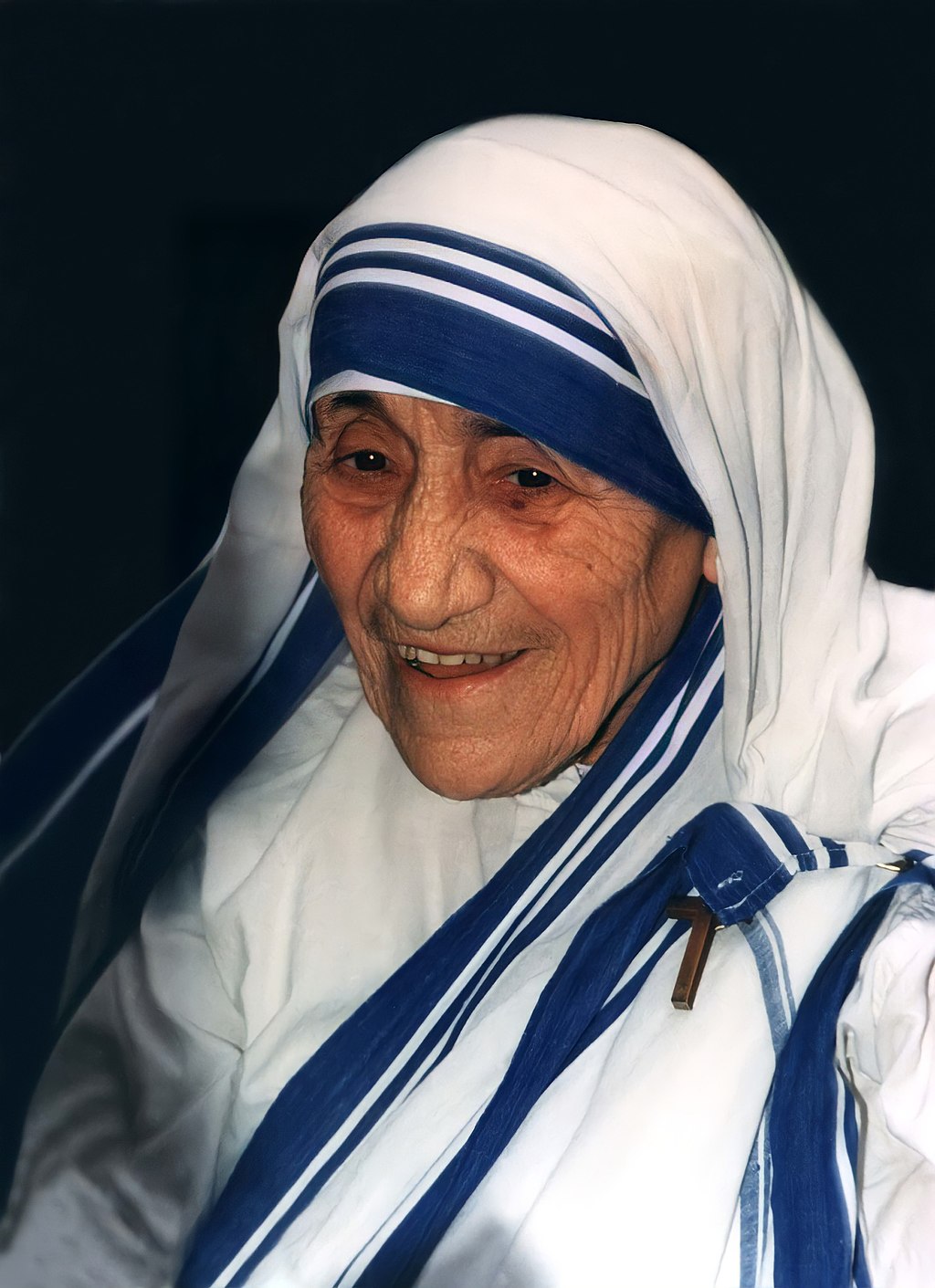
Ripples of Change: The Power of Individual Action
In her poignant reflection, Mother Teresa reminds us that while one person may feel powerless to effect sweeping change, even the smallest action can initiate a cascade of transformation. "I alone cannot change the world, but I can cast a stone across the waters to create many ripples." This statement encapsulates the profound truth that individual efforts, no matter how modest, can inspire collective movements and foster hope in a world often overshadowed by despair. The stakes are high; in a time when many feel disillusioned and helpless, recognizing the potential of our actions can reignite a sense of purpose and agency.
As we delve deeper into this quote, we uncover the essence of interconnectedness that Mother Teresa so beautifully articulates. The act of casting a stone symbolizes intentionality and the courage to act, while the ripples represent the far-reaching effects of that action. This metaphor invites us to reflect on our own lives and the ways we can contribute to the greater good, even when the challenges seem insurmountable. It serves as a reminder that change often begins with a single step, a single voice, or a single act of kindness.
The image / the metaphor
The imagery of casting a stone across water evokes a vivid sense of motion and impact. The stone, a tangible representation of our actions, disrupts the stillness of the water, creating ripples that expand outward in ever-widening circles. This visual metaphor captures the essence of how our actions, however small, can resonate beyond our immediate surroundings. The verbs chosen—"cast" and "create"—imply a deliberate and active engagement with the world, suggesting that we hold the power to initiate change through our choices.
Diving deeper into the metaphor, we can see that the ripples symbolize the interconnectedness of humanity. Each ripple represents a person touched by our actions, illustrating how kindness, compassion, and love can spread exponentially. In this way, Mother Teresa's words remind us that our individual contributions are not isolated; they are part of a larger tapestry of human experience. The act of casting a stone becomes a sacred duty, an invitation to participate in the unfolding narrative of our shared existence.
In the speaker's tradition
Furthermore, the notion of "bhakti," or devotion, is intricately woven into Mother Teresa's philosophy. Her unwavering commitment to serving the poorest of the poor exemplifies a deep devotion to humanity, echoing the call to love one's neighbor as oneself. In her life and work, she embodied the spirit of "agape," a selfless love that seeks the well-being of others. This aligns with the biblical text from Matthew 25:40, where Jesus states, "Whatever you did for one of the least of these brothers and sisters of mine, you did for me." Mother Teresa's actions were a living testament to this profound truth.
Living the teaching
In our modern world, the teaching of casting a stone to create ripples can manifest in various ways. Consider a scenario where an individual volunteers at a local shelter. Their presence, kindness, and willingness to serve may inspire others to join in, creating a community of support and compassion. This simple act of giving time and energy can lead to a ripple effect, encouraging more people to engage in acts of service, ultimately transforming the lives of those in need. Here, we see how one person's decision to act can catalyze a movement of collective goodwill.
Another application of this teaching can be found in personal relationships. Imagine a moment of conflict between friends, where one person chooses to extend forgiveness rather than harbor resentment. This act of grace can create ripples of healing, encouraging the other to respond in kind. In daily practice, we can embody this teaching by consciously choosing to act with kindness, whether through a smile, a word of encouragement, or a simple gesture of support. Each small action contributes to a larger culture of compassion, illustrating the profound impact of our choices.
A reflection
As we reflect on Mother Teresa's powerful words, we are invited to consider the ways in which we can cast our own stones across the waters of our lives. What small action can you take today that might create ripples of change in your community or relationships? In a world that often feels fragmented, how can you embody the spirit of interconnectedness and compassion? Let this contemplation guide you as you seek to live out the teachings of love and service in your everyday life.



Join the BrightStar Community
Stay connected with daily inspiration, event announcements, and community wisdom