Nourishing the Flame Within
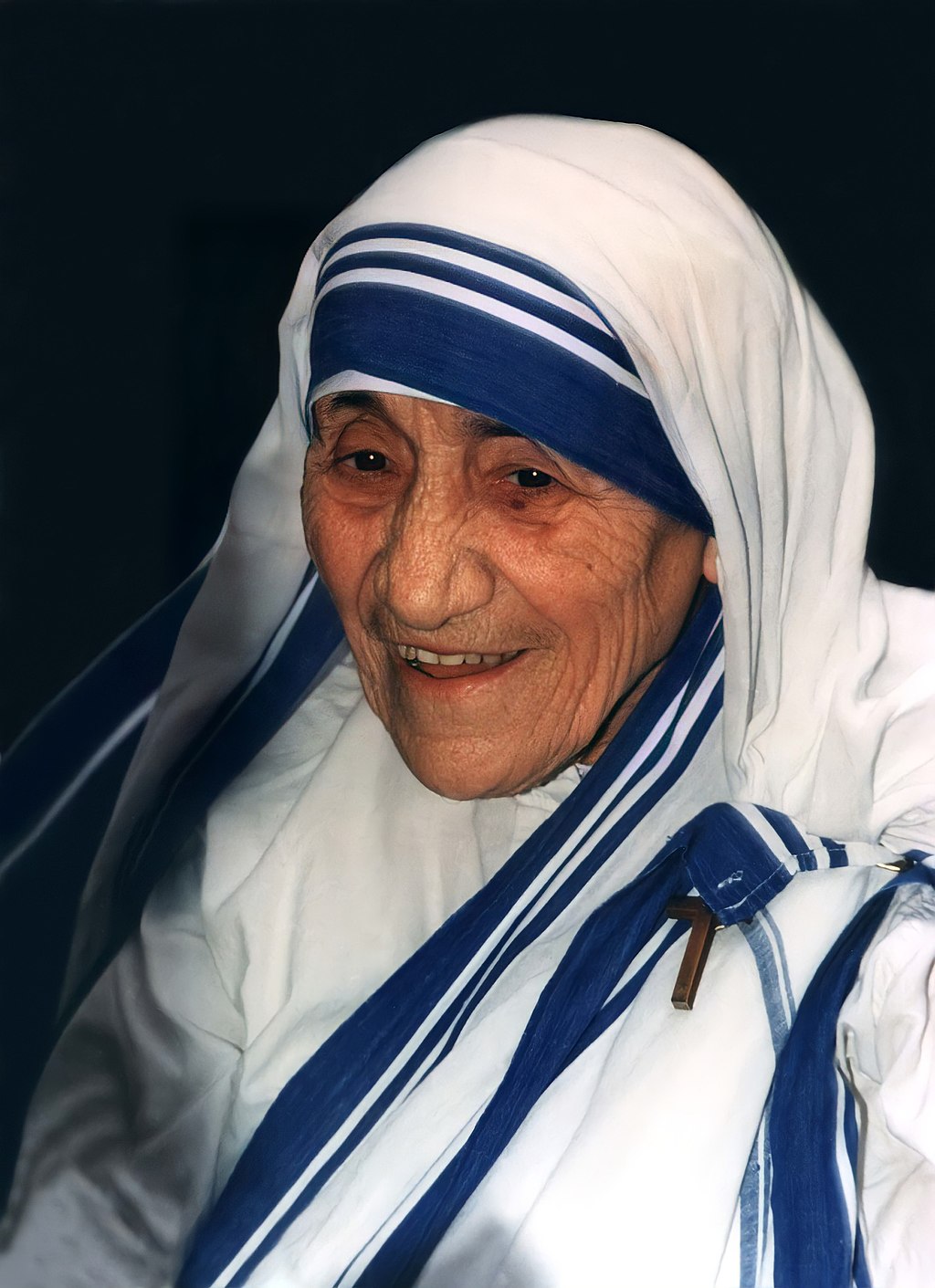
Mother Teresa's poignant assertion, "To keep a lamp burning, we have to keep putting oil in it," serves as a profound reminder of the necessity of continual nourishment in our spiritual lives. This metaphor speaks to the essence of sustaining our inner light, suggesting that without regular replenishment of our energy and purpose, we risk extinguishing the very flame that guides us. In a world often fraught with distractions and demands, this teaching invites us to reflect on what fuels our spirit and how we can cultivate that essential oil.
At its core, this quote encapsulates a universal truth about the human experience: the need for ongoing practice and commitment to maintain our inner vitality. Just as a lamp requires oil to produce light, our spiritual lives require intentional actions—be it through prayer, meditation, service, or community engagement—to thrive. This teaching resonates deeply in our contemporary lives, where the hustle and bustle can easily lead to spiritual neglect, urging us to prioritize what truly sustains us.
The image / the metaphor
The imagery of a lamp and oil evokes a sense of warmth and illumination, suggesting that our inner light is both precious and fragile. The lamp, a vessel for light, symbolizes our spirit or soul, while the oil represents the practices and intentions that keep that spirit alive. The verbs "keep burning" and "keep putting" imply an active, ongoing effort; it is not a one-time act but a continuous commitment to nurturing our inner flame. This vivid metaphor invites us to visualize our spiritual journey as one that requires diligence and care.
In the speaker's tradition
Mother Teresa's wisdom is deeply rooted in the Christian tradition, which emphasizes the importance of love, service, and self-giving. This notion of continual giving aligns with the concept of kenosis, or self-emptying, where one must let go of the self to serve others fully. The act of continually putting oil into the lamp mirrors the Christian call to love one's neighbor and to engage in acts of charity and compassion, reflecting the divine light of Christ in our lives.
Moreover, this teaching resonates with the biblical parable of the wise and foolish virgins in Matthew 25:1-13, where the wise virgins keep their lamps filled with oil, prepared for the arrival of the bridegroom. This parable underscores the importance of being spiritually prepared and vigilant, reinforcing the idea that our spiritual practices are essential for maintaining our readiness to serve and love others. In this light, Mother Teresa's quote becomes a clarion call to remain steadfast in our spiritual commitments.
Living the teaching
Consider a modern scenario where this teaching finds relevance: a busy professional who feels increasingly drained and disconnected from their purpose. In the rush of deadlines and responsibilities, they may neglect their spiritual practices, leading to a sense of emptiness. By recognizing the need to "put oil in the lamp," this individual might choose to carve out time for daily meditation or engage in acts of service, thereby replenishing their spirit and reigniting their passion for their work and relationships.
In a different context, think about a relationship that has grown stale due to neglect. The partners may find themselves drifting apart, caught up in the routine of daily life. By consciously choosing to invest time and energy into nurturing their connection—through meaningful conversations, shared experiences, or acts of kindness—they are effectively putting oil in their relational lamp. This practice not only rekindles their love but also illuminates the path toward deeper understanding and intimacy.
A reflection
As we contemplate Mother Teresa's insightful words, we are invited to reflect on our own lives: What practices do we engage in to keep our inner lamp burning brightly? Are there areas where we feel depleted, and how might we begin to replenish our spiritual oil? This contemplation encourages us to take stock of our commitments and to consider how we can cultivate a more vibrant and sustained inner light, not just for ourselves but for the world around us.



Join the BrightStar Community
Stay connected with daily inspiration, event announcements, and community wisdom