The Well of Self-Care: A Source for Generosity
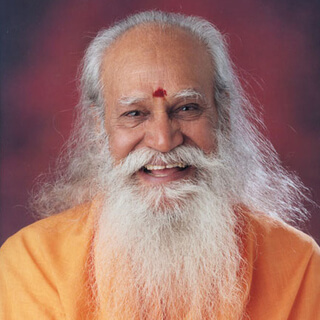
Swami Satchidananda's quote, "Self-care is filling the well so it has water to share," invites us to reflect on the essential nature of self-nurturing as a prerequisite for generosity. In a world that often demands our time and energy, the importance of tending to our own needs cannot be overstated. This metaphor of a well suggests that our capacity to give to others is directly linked to our ability to care for ourselves. Without this foundational care, we risk depletion, leaving us unable to support those around us.
Delving deeper into this notion, we recognize that self-care is not merely a luxury or an indulgence; it is a vital practice that sustains our emotional, mental, and spiritual health. The imagery of a well evokes a sense of depth and abundance, reminding us that we must cultivate our inner resources to ensure that we can share them with others. In this light, self-care becomes an act of responsibility—not just to ourselves, but to our communities and relationships, as we learn that our well-being is interconnected with the well-being of others.
The image / the metaphor
The metaphor of a well is rich with meaning, evoking a sense of depth, nourishment, and life-giving sustenance. A well is a source of water, a vital resource that supports life, and the act of filling it suggests intentionality and care. The verbs "filling" and "sharing" imply an active engagement with our own needs and a recognition that our well-being is not solely for our own benefit. Instead, it is a dynamic process that allows us to extend our resources outward, creating a ripple effect of support and generosity.
Going deeper into this metaphor, we can see that the well represents not just our physical or emotional states, but also our spiritual reservoir. When we neglect to fill our well, we may find ourselves running dry, unable to offer compassion, understanding, or support to others. The act of self-care, then, becomes a sacred practice of replenishment, ensuring that we have the emotional and spiritual resources to engage meaningfully with the world around us. This cyclical relationship between self-care and sharing highlights the interconnectedness of our lives and the importance of nurturing ourselves to foster a thriving community.
In the speaker's tradition
Swami Satchidananda's teachings are rooted in the philosophy of integral yoga, which emphasizes the holistic integration of body, mind, and spirit. Within this framework, the concept of dharma—our duty to ourselves and others—plays a crucial role in understanding the necessity of self-care. By recognizing our own needs and fulfilling them, we align ourselves with our dharma, allowing us to serve others more effectively. This notion resonates with the idea of kenosis, or self-emptying, which suggests that true generosity arises from a place of fullness rather than depletion.
In the context of integral yoga, we can draw parallels to the Buddhist concept of sunyata, or emptiness, which teaches that true fulfillment comes from recognizing the interconnectedness of all beings. Just as a well must be filled to provide water, our spiritual practice must be nurtured to cultivate compassion and generosity. The Bhagavad Gita, a foundational text in yoga philosophy, emphasizes the importance of selfless action, reminding us that our ability to serve others is contingent upon our own inner state. When we care for ourselves, we are better equipped to fulfill our responsibilities to the world.
Living the teaching
Consider a modern scenario where the teaching of self-care manifests in the life of a busy professional. Imagine someone who is constantly meeting deadlines, attending meetings, and juggling personal responsibilities. In this relentless pursuit of productivity, they may neglect their own well-being, leading to burnout and exhaustion. By recognizing the importance of filling their well through practices such as mindfulness, exercise, or creative expression, they can replenish their energy and return to their work with renewed focus and enthusiasm. This act of self-care not only benefits them but also enhances their ability to contribute positively to their team and community.
In a different context, we can explore how this teaching applies to relationships. Picture a caregiver who dedicates their life to supporting a loved one through illness. While their commitment is admirable, neglecting their own needs can lead to resentment and emotional fatigue. By prioritizing self-care—whether through seeking support, engaging in hobbies, or simply taking time for rest—they can cultivate a more sustainable approach to caregiving. This balance allows them to share their love and compassion more fully, enriching both their own life and the life of the person they care for.
A reflection
As we contemplate Swami Satchidananda's wisdom, we are invited to consider the state of our own well. Are we actively filling it, or are we allowing it to run dry? In what ways can we cultivate self-care practices that not only nourish us but also enhance our capacity to share with others? Reflecting on these questions can guide us toward a deeper understanding of our interconnectedness and the importance of nurturing ourselves as a foundation for generosity.




Join the BrightStar Community
Stay connected with daily inspiration, event announcements, and community wisdom