Embracing the Present: The Call to Begin
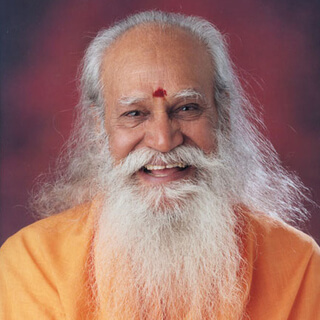
Swami Satchidananda's assertion that "You don't have to wait for ideal conditions to begin" invites us to reconsider our relationship with time and action. In a world often characterized by procrastination and the pursuit of perfection, this quote serves as a gentle reminder that the present moment is ripe for initiation. The stakes are high; our dreams and aspirations often languish in the realm of the unrealized, shackled by our desire for the perfect circumstances that may never arrive. This teaching implores us to break free from the chains of idealism and step boldly into the now.
Delving deeper, we find that this quote resonates with the universal human experience of hesitation and fear. We often find ourselves waiting for a sign, a nudge, or a set of perfect conditions before we dare to take the first step toward our goals. Yet, in doing so, we may overlook the profound potential that lies within the present moment. The act of beginning, regardless of external circumstances, is a powerful declaration of our intent and commitment to growth. It is an invitation to embrace the imperfect, to recognize that every journey starts with a single step, and that step can be taken today.
The image / the metaphor
The imagery in Satchidananda's quote evokes a sense of urgency and immediacy. The phrase "ideal conditions" conjures visions of a perfect landscape, a serene environment where everything aligns harmoniously. However, the verb "begin" suggests action, movement, and a willingness to engage with life as it is, rather than as we wish it to be. This juxtaposition between the static nature of ideal conditions and the dynamic essence of beginning highlights the tension we often feel when faced with the prospect of change.
In the speaker's tradition
Swami Satchidananda's teachings are deeply rooted in the philosophy of integral yoga, which emphasizes the unity of body, mind, and spirit. Central to this tradition is the concept of dharma, or one's duty, which often calls for action in the present moment, regardless of external circumstances. The idea of kenosis, or self-emptying, also resonates here; it encourages us to let go of our preconceived notions of how things should be, allowing us to engage fully with the reality of our lives. In this light, Satchidananda's quote becomes a call to align our actions with our deeper purpose, rather than waiting for the perfect moment to manifest our intentions.
Moreover, this teaching echoes the Buddhist concept of sunyata, or emptiness, which invites us to recognize the impermanence of all things. Just as the mind can become cluttered with expectations and desires, so too can our lives become stagnant when we wait for ideal conditions. In the context of integral yoga, the practice of beginning in the present moment is not merely an act of will; it is a profound expression of our interconnectedness with the universe and our commitment to living authentically. The Bhagavad Gita, a foundational text in this tradition, emphasizes the importance of action without attachment to results, reinforcing the idea that the act of beginning is itself a sacred endeavor.
Living the teaching
Consider a modern scenario where this teaching can be applied: a person contemplating a career change. They may feel trapped in their current job, yearning for a more fulfilling path but paralyzed by the fear of leaving the familiar. The ideal conditions they envision—financial stability, a perfect job offer, or the right moment—may never materialize. By embracing Satchidananda's wisdom, they can recognize that the act of beginning—whether it’s updating their resume, networking, or exploring new opportunities—does not require perfect circumstances. Instead, it calls for courage and a willingness to step into the unknown.
Another application of this teaching can be found in relationships. Imagine someone who has been meaning to reach out to a friend with whom they’ve lost touch, but they hesitate, believing that the timing must be just right. They may wait for a perfect moment to reconnect, fearing that their outreach might be unwelcome or awkward. By embodying the essence of Satchidananda's quote, they can choose to send a simple message today, acknowledging that the act of reaching out is more important than the conditions surrounding it. This small act of courage can rekindle connections and foster deeper relationships, illustrating that beginnings often hold the key to transformation.
A reflection
As we contemplate Swami Satchidananda's profound insight, we are invited to reflect on our own lives: What dreams or aspirations have we postponed, waiting for the elusive ideal conditions to manifest? In what areas of our lives can we take a step forward today, regardless of the circumstances? This quote challenges us to embrace the present moment as a fertile ground for action, urging us to recognize that the journey of a thousand miles truly begins with a single step. Let us ask ourselves: What is one small action I can take today to honor my intentions and begin anew?




Join the BrightStar Community
Stay connected with daily inspiration, event announcements, and community wisdom