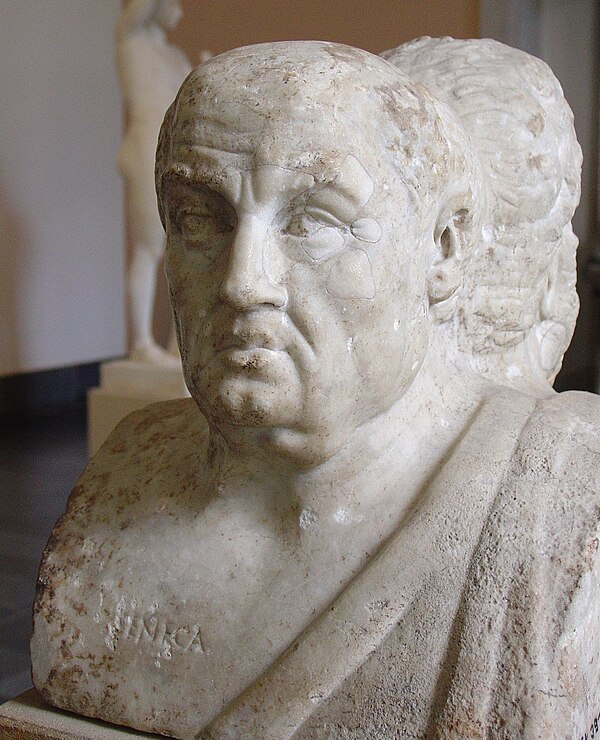
Embracing Humanity: The Stoic Call to Cherish One Another
In the words of Seneca, "As long as we are with men, let us cherish men." This poignant reminder invites us to cultivate a deep appreciation for our fellow human beings, emphasizing the importance of compassion and fellowship in our lives. In a world often marked by division and strife, Seneca's call resonates profoundly, urging us to recognize the inherent value in our relationships. The stakes are high; our ability to cherish one another can transform not only our personal experiences but also the broader fabric of society.
To cherish others is to engage in a practice of virtue that transcends mere tolerance or acceptance. It requires an active commitment to understanding and valuing the humanity in each person we encounter. This sentiment is particularly relevant in our contemporary context, where the pace of life and the pressures of modernity can lead to isolation and disconnection. Seneca's wisdom serves as a gentle nudge, reminding us that our shared existence is an opportunity for growth, empathy, and mutual support.
The image / the metaphor
At its core, Seneca's quote evokes a vivid image of connection and kinship among individuals. The phrase "as long as we are with men" suggests a temporal aspect, highlighting the fleeting nature of human interactions. The verb "cherish" carries a weighty significance, implying not just a passive acknowledgment of others but an active, nurturing engagement with their well-being. This imagery invites us to envision a world where relationships are cultivated with care, where each encounter is an opportunity to foster understanding and compassion.
Diving deeper into the metaphor, we can see that cherishing others is akin to tending a garden. Just as a gardener nurtures plants with attention and love, we are called to nurture our relationships with kindness and respect. This act of cherishing requires us to be present, to listen deeply, and to respond with empathy. In this way, Seneca's words become a guiding principle for how we might approach our interactions, transforming them into sacred opportunities for connection and growth.
In the speaker's tradition
Seneca's philosophy is rooted in Stoicism, a tradition that emphasizes the importance of virtue, reason, and the interconnectedness of all human beings. Central to Stoic thought is the concept of *oikeiosis*, which refers to the natural affinity we have for others and the recognition of our shared humanity. This idea aligns closely with the notion of *dharma* in Eastern philosophies, where the interconnectedness of all life calls for compassion and ethical action. By cherishing others, we fulfill our duty to live in harmony with the world around us.
In his *Letters*, Seneca often reflects on the nature of friendship and the moral obligations we have towards one another. For instance, in *Letter 9*, he writes about the importance of mutual support and the strength found in companionship. This echoes the sentiment of cherishing others, as it underscores the Stoic belief that our relationships are not merely incidental but essential to our moral development and well-being. By fostering these connections, we cultivate a life of virtue and purpose.
Living the teaching
Consider a modern scenario where this teaching might resonate: a workplace filled with stress and competition. In such an environment, it can be easy to lose sight of the humanity in our colleagues, viewing them as obstacles rather than allies. By consciously choosing to cherish our coworkers—offering support, encouragement, and understanding—we can transform the workplace into a space of collaboration and mutual respect. This practice not only enhances our professional relationships but also contributes to a more positive and productive atmosphere.
Another application of this teaching can be found in personal relationships, particularly during challenging moments. Imagine a disagreement with a loved one, where emotions run high and misunderstandings abound. In such instances, cherishing the other person means stepping back from the conflict and recognizing their perspective as valid and worthy of compassion. By approaching the situation with a mindset of cherishing, we create space for healing and reconciliation, reinforcing the bonds that unite us.
A reflection
As we contemplate Seneca's profound invitation to cherish one another, we might ask ourselves: How can I actively cultivate a sense of appreciation for those around me today? This question encourages us to reflect on our interactions and consider the ways in which we can embody the spirit of compassion and fellowship in our daily lives. By embracing this practice, we not only honor the wisdom of Seneca but also contribute to a more compassionate world.




Join the BrightStar Community
Stay connected with daily inspiration, event announcements, and community wisdom