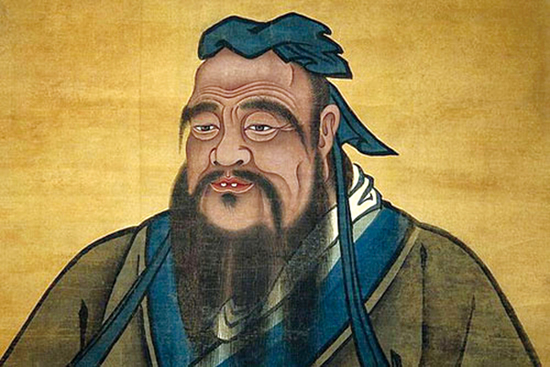
Seeking Within: The Path of the Superior Man
In the profound words of Confucius, "What the superior man seeks is in himself; what the small man seeks is in others." This statement invites us to reflect on the nature of our pursuits and the sources of our fulfillment. It suggests a dichotomy between two types of individuals: those who look inward for wisdom and growth, and those who seek validation and meaning externally. Understanding this distinction is crucial in our journey toward self-awareness and authentic living.
At its core, this quote challenges us to examine our motivations and the foundations of our aspirations. In a world often dominated by external influences—social media, peer pressure, and societal expectations—Confucius beckons us to turn our gaze inward. The implications of this teaching extend beyond mere self-reflection; they touch upon the essence of personal responsibility, self-love, and the pursuit of truth. As we navigate our lives, the question arises: Are we seeking our worth and purpose in the fleeting opinions of others, or are we cultivating a deep, abiding sense of self that is rooted in our own values and insights?
The image / the metaphor
The imagery in Confucius's quote is striking in its simplicity yet profound in its implications. The "superior man" represents an individual who embodies wisdom, self-awareness, and integrity, while the "small man" symbolizes a person who is easily swayed by external circumstances and the opinions of others. The verbs "seeks" and "is" create a dynamic interplay between action and being, suggesting that true fulfillment is not merely a destination but a continuous journey of self-discovery. This distinction evokes a felt sense of inner strength versus external dependency, inviting us to consider where we place our energy and focus.
Diving deeper into the metaphor, we can see that the "superior man" is not merely a figure of moral superiority but rather an archetype of self-realization. This journey inward is akin to the process of alchemy, where the base elements of our experiences and emotions are transformed into gold through introspection and understanding. The "small man," on the other hand, represents the pitfalls of superficiality and the dangers of seeking validation outside oneself. This contrast serves as a reminder that the true essence of our being is often obscured by the noise of the world, urging us to cultivate a practice of looking within to uncover our authentic selves.
In the speaker's tradition
Confucius's teachings are deeply rooted in the tradition of Taoism, which emphasizes harmony, balance, and the interconnectedness of all things. Central to this philosophy is the concept of "wu wei," or effortless action, which encourages individuals to align with their true nature rather than forcefully striving for external achievements. This resonates with the idea that the superior man seeks within, as it suggests that true wisdom and fulfillment arise when we act in accordance with our inner truths rather than societal expectations.
Moreover, the notion of "ren," or humaneness, is pivotal in Confucian thought. It embodies the qualities of compassion, empathy, and self-cultivation, reinforcing the idea that personal growth is an inward journey that ultimately enhances our relationships with others. In the Analects, Confucius often emphasizes the importance of self-examination and moral integrity, echoing the sentiment that true wisdom is found not in the opinions of others but in the depths of our own character and understanding.
Living the teaching
Consider a modern scenario where this teaching resonates: a workplace environment where individuals constantly seek approval from their superiors or peers. In such a setting, the "small man" may find himself caught in a cycle of seeking validation through accolades and recognition, often at the expense of his own values and well-being. Conversely, the "superior man" in this context would focus on cultivating his skills and integrity, deriving satisfaction from personal growth rather than external praise. This shift in perspective not only fosters a healthier work culture but also empowers individuals to pursue their passions authentically.
In relationships, this teaching can manifest in profound ways. Imagine a couple navigating a challenging moment; one partner may seek reassurance and validation from friends or family, while the other turns inward to reflect on their feelings and needs. The latter embodies the spirit of the superior man, recognizing that true resolution comes from understanding oneself and communicating openly with their partner. This approach not only strengthens the bond between them but also encourages a deeper level of intimacy rooted in self-awareness and honesty.
A reflection
As we contemplate the wisdom embedded in Confucius's words, we are invited to ask ourselves: In what areas of my life am I seeking validation from others, and how might I redirect that energy toward self-discovery and inner growth? This question serves as a powerful tool for reflection, guiding us to explore the depths of our motivations and desires. By embracing the journey inward, we can cultivate a sense of self that is resilient, authentic, and deeply connected to our true essence.