The Freedom of Right Living
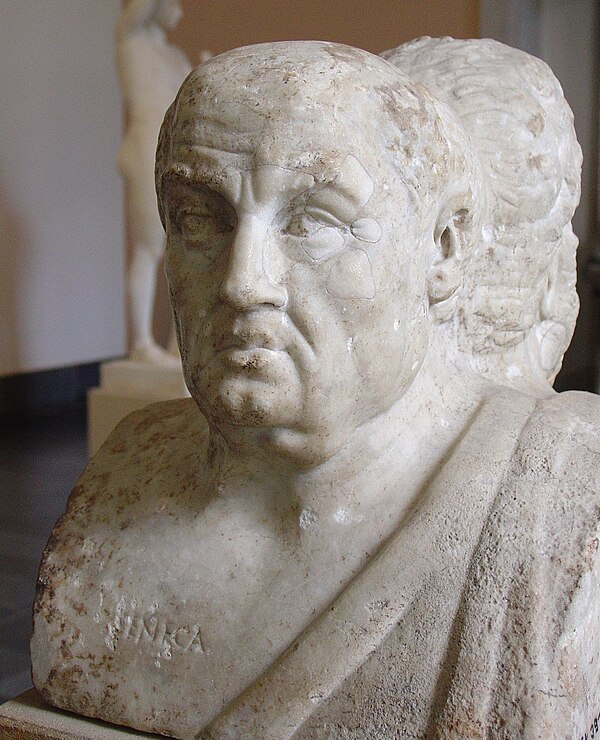
Seneca's assertion that "For freedom is in being able to live as one wishes; and the wise man wishes only what is right" encapsulates a profound understanding of freedom that transcends mere choice. It suggests that true liberty is not found in the unrestrained pursuit of desires but in the alignment of one's will with virtue. This perspective challenges contemporary notions of freedom, urging us to consider the ethical dimensions of our choices. In a world often driven by personal gratification, Seneca invites us to reflect on the deeper implications of our desires and the nature of our freedom.
In this light, the quote serves as a reminder that wisdom and virtue are intertwined. The wise man, as Seneca describes, does not simply wish for what he wants; rather, he aspires to what is right and just. This distinction is crucial, as it suggests that the path to true freedom is paved with moral clarity and self-awareness. By examining our wishes through the lens of virtue, we can cultivate a life that is not only free but also meaningful, grounded in principles that elevate our existence and the well-being of those around us.
The image / the metaphor
At its core, Seneca's quote presents a vivid image of freedom as an internal state rather than an external condition. The verbs "live" and "wish" evoke a sense of agency and intention, suggesting that freedom is not merely about the absence of constraints but about the conscious choices we make. The phrase "live as one wishes" implies a personal journey, where each individual navigates their desires and aspirations. This imagery invites us to visualize freedom as a garden, where the seeds of virtue can flourish, nurtured by the wise choices we cultivate.
Diving deeper into the metaphor, we can see that Seneca's understanding of freedom is akin to the concept of a well-tended garden, where the wise man acts as both gardener and steward. Just as a gardener must discern which plants to nurture and which to prune, so too must we evaluate our desires and aspirations. The act of wishing for what is right becomes a transformative process, where our inner landscape is shaped by our values and ethical commitments. In this way, freedom is not a chaotic wilderness but a cultivated space of growth and harmony.
In the speaker's tradition
Seneca's thoughts on freedom and virtue are deeply rooted in Stoic philosophy, which emphasizes the importance of aligning one's life with nature and reason. This alignment resonates with the concept of dharma in Eastern traditions, where living in accordance with one's true nature leads to a harmonious existence. Both philosophies advocate for a life guided by ethical principles, suggesting that true freedom arises from understanding and fulfilling one's role in the larger tapestry of existence. In this sense, Seneca's wisdom echoes across cultures, inviting us to consider the universal quest for meaning and integrity.
Moreover, Seneca's emphasis on the wise man's wishes aligns with the Stoic practice of reflecting on one's intentions and actions. In his work "On the Shortness of Life," Seneca encourages individuals to examine how they spend their time and energy, urging them to prioritize what is truly valuable. This reflective practice is akin to the Buddhist concept of prajna, or wisdom, which involves discerning the nature of reality and making choices that lead to liberation. By situating Seneca's quote within this broader philosophical context, we can appreciate the timeless relevance of his insights on freedom and virtue.
Living the teaching
Consider a modern scenario where an individual faces a career decision. They may feel torn between pursuing a lucrative job that promises financial security and following a passion that aligns with their values but offers less stability. In this moment, Seneca's teaching becomes a guiding light. The individual can reflect on what it means to live as they wish, weighing their desires against the ethical implications of their choices. By prioritizing what is right—perhaps contributing to a cause they believe in—they can navigate their career path with a sense of purpose and integrity, ultimately finding a deeper form of freedom.
In the realm of relationships, Seneca's wisdom can also illuminate our interactions with others. Imagine a situation where a friend is in need, and the choice arises to either prioritize personal comfort or extend support. The wise man, as described by Seneca, would wish for what is right, recognizing that true freedom often involves selflessness and compassion. By choosing to act in alignment with virtue, we not only enrich our relationships but also cultivate a sense of fulfillment that transcends fleeting desires. In this way, the teachings of Seneca encourage us to embrace a life of intentionality and moral clarity.
A reflection
As we contemplate Seneca's profound assertion, we are invited to ask ourselves: What do I truly wish for, and how does that align with my understanding of what is right? This question encourages a deep introspection, prompting us to examine our desires and the ethical frameworks that guide our lives. By engaging with this inquiry, we can begin to discern the path toward a more authentic and liberated existence, one that honors both our individual aspirations and the greater good.