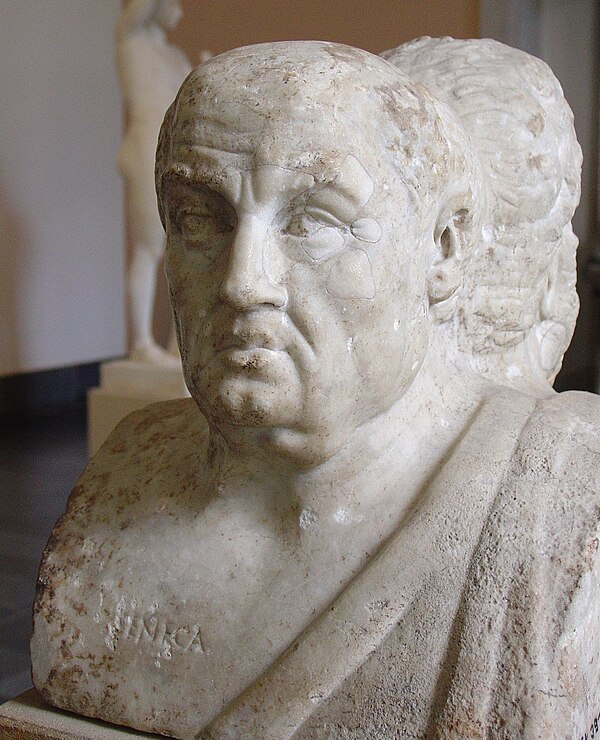
The Weight of Unnecessary Suffering
In the words of Seneca, "He suffers more than necessary who suffers before it is necessary." This poignant observation invites us to reflect on the nature of suffering and the human tendency to anticipate pain before it arrives. By projecting our fears into the future, we often burden ourselves with a weight that is not yet ours to bear. This insight is particularly relevant in a world where anxiety and worry can overshadow the present moment, leading us to experience distress that is not only premature but also self-inflicted.
Seneca's wisdom speaks to a universal truth about the human condition: suffering is an inevitable part of life, yet much of our anguish is rooted in our thoughts rather than our experiences. By focusing on potential future misfortunes, we rob ourselves of the peace that exists in the present. This quote serves as a reminder to cultivate mindfulness, urging us to confront our fears without allowing them to dictate our current state of being. In doing so, we can navigate life's challenges with greater resilience and clarity.
The image / the metaphor
At its core, Seneca's quote paints a vivid picture of the mind's capacity to create suffering through anticipation. The phrase "suffers more than necessary" suggests an excess, a burden that is self-imposed rather than a natural consequence of reality. The imagery evokes a sense of carrying an invisible weight, one that grows heavier with each worry and fear we entertain. The verbs "suffers" and "necessary" highlight the distinction between actual pain and the pain we conjure through our thoughts, emphasizing that much of our suffering is not rooted in the present moment.
Diving deeper into the metaphor, we can see that Seneca is not merely addressing the act of suffering but also the mental processes that lead us there. The anticipation of suffering can be likened to a shadow that looms over us, distorting our perception of reality. This shadow can obscure the light of the present, causing us to miss the beauty and joy that exists in our lives right now. By recognizing this dynamic, we can begin to dismantle the mental constructs that lead us to suffer unnecessarily, allowing us to embrace a more authentic experience of life.
In the speaker's tradition
Seneca's insights are deeply rooted in the Stoic tradition, which emphasizes the importance of rational thought and the acceptance of what is beyond our control. Central to Stoicism is the concept of "apatheia," or the state of being free from emotional disturbance, which aligns with Seneca's call to refrain from unnecessary suffering. This idea resonates with similar concepts found in other spiritual traditions, such as "sunyata" in Buddhism, which speaks to the emptiness of inherent suffering, and "kenosis" in Christian mysticism, which involves the self-emptying of one's will to embrace a greater truth.
In his letters, Seneca often draws upon the teachings of earlier Stoics, particularly Epictetus, who famously stated that it is not events themselves that disturb us, but our judgments about them. This echoes the notion that our mental narratives can amplify suffering, a theme that is prevalent in many philosophical and spiritual texts. By understanding that our perceptions shape our experiences, we can cultivate a more balanced approach to life's inevitable challenges, allowing us to respond with equanimity rather than fear.
Living the teaching
Consider a modern scenario where this teaching resonates: the anticipation of a difficult conversation with a colleague. As the meeting approaches, one might ruminate on potential conflicts, rehearsing worst-case scenarios in their mind. This mental rehearsal can lead to heightened anxiety, causing the individual to suffer long before the actual conversation takes place. By recognizing this pattern, one can consciously choose to focus on the present moment, preparing for the conversation with a clear mind rather than a heart burdened by unnecessary worry.
In relationships, the application of Seneca's teaching can be equally profound. Imagine a situation where one partner fears the potential for conflict over a sensitive topic. Instead of addressing the issue directly, they may dwell on imagined arguments, allowing anxiety to cloud their judgment and interactions. By embracing the wisdom of Seneca, they can choose to engage in open communication, confronting their fears in the present rather than allowing them to fester in the shadows of anticipation. This practice not only alleviates unnecessary suffering but also fosters deeper connections built on honesty and vulnerability.
A reflection
As we contemplate Seneca's profound insight, we are invited to examine our own lives and the ways in which we may be suffering before it is necessary. What fears or worries are we carrying that do not belong to the present moment? In what areas of our lives can we cultivate a greater sense of mindfulness, allowing us to experience each moment fully without the weight of unneeded anticipation? Reflecting on these questions can guide us toward a more peaceful existence, rooted in the present rather than the shadows of what may come.