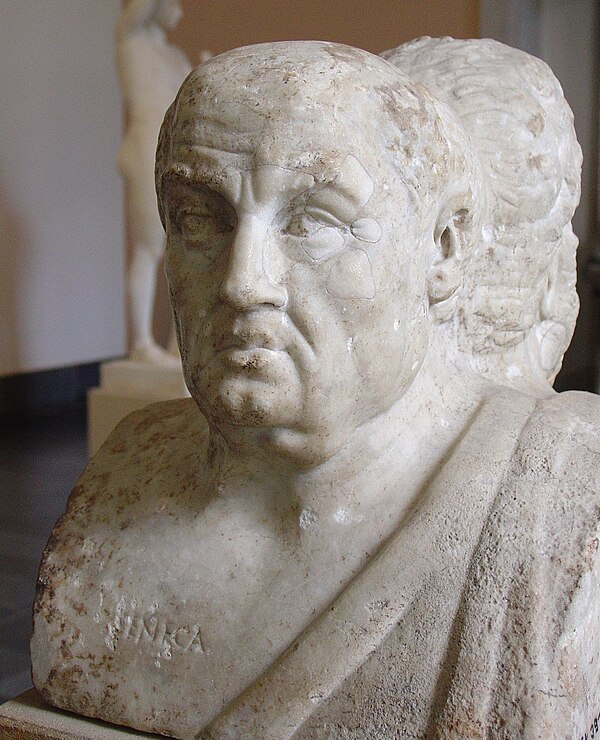
Embracing the Gift of Time
Seneca's poignant observation, "It is not that we have a short time to live, but that we waste much of it," invites us to reconsider our relationship with time. This reflection serves as a powerful reminder that the essence of our existence is not merely measured by its duration but by the quality of how we engage with each moment. In a world that often glorifies busyness and distraction, this wisdom urges us to confront the reality of our mortality and the choices we make in how we spend our days.
As we navigate the complexities of modern life, the urgency of this message becomes even more pronounced. We find ourselves caught in a whirlwind of obligations, often sacrificing our most precious resource—time—for fleeting pleasures or unfulfilling pursuits. Seneca's words challenge us to cultivate mindfulness and intentionality, prompting us to reflect on what truly matters in our lives. By recognizing the potential for waste, we can reclaim our time and infuse it with purpose and meaning.
The image / the metaphor
At the heart of Seneca's quote lies a stark imagery that contrasts the fleeting nature of life with the often careless manner in which we spend it. The verbs "have" and "waste" evoke a sense of possession and loss, suggesting that time is both a gift and a commodity that we can squander. This duality creates a felt sense of urgency, as if we are standing at the precipice of our own existence, aware that each moment is both a blessing and a responsibility.
Diving deeper into the metaphor, we can see time as a river flowing ceaselessly, with each moment representing a drop that contributes to the whole. When we waste time, we allow precious drops to slip through our fingers, unappreciated and unacknowledged. This imagery compels us to consider how we might redirect the course of our lives, choosing to engage with the present rather than allowing it to drift away unnoticed. In this way, Seneca's words serve as both a cautionary tale and an invitation to live more fully.
In the speaker's tradition
Seneca's insights are deeply rooted in Stoic philosophy, which emphasizes the importance of virtue, rationality, and the acceptance of mortality. Central to Stoicism is the concept of living in accordance with nature, or dharma, which calls for an alignment between our actions and the greater order of the universe. This alignment encourages us to recognize the impermanence of life and to act with intention, ensuring that we do not squander the time we have been given.
In his work "On the Shortness of Life," Seneca articulates the idea that time is a resource that can be managed wisely or wasted frivolously. This echoes the Buddhist concept of sunyata, or emptiness, which teaches that our attachments to distractions can cloud our perception of reality. Both traditions urge us to cultivate awareness and presence, reminding us that the quality of our lives is determined not by the quantity of time but by how we choose to fill it.
Living the teaching
Consider a modern scenario where this teaching resonates: a young professional caught in the grind of a demanding job, often sacrificing personal relationships and self-care for the sake of career advancement. Each day blurs into the next, filled with meetings and deadlines, leaving little room for reflection or joy. In this context, Seneca's wisdom serves as a wake-up call, prompting the individual to reassess their priorities and recognize the value of nurturing connections and pursuing passions outside of work.
Another application of this teaching can be found in the realm of relationships. Imagine a couple who, amidst the chaos of daily life, find themselves drifting apart, consumed by their individual responsibilities. By embracing Seneca's insight, they can choose to carve out intentional time for one another, recognizing that their shared moments are not merely a luxury but a necessity for a fulfilling partnership. This conscious effort to prioritize their relationship transforms their experience, allowing them to savor the richness of their time together.
A reflection
As we contemplate Seneca's profound observation, we are invited to ask ourselves: How am I currently spending my time, and what changes can I make to ensure that I am living with intention? This question encourages us to reflect on our daily habits, our relationships, and our pursuits, challenging us to align them with our deepest values. In doing so, we can begin to reclaim the precious gift of time, transforming it from a source of anxiety into a canvas for meaningful living.