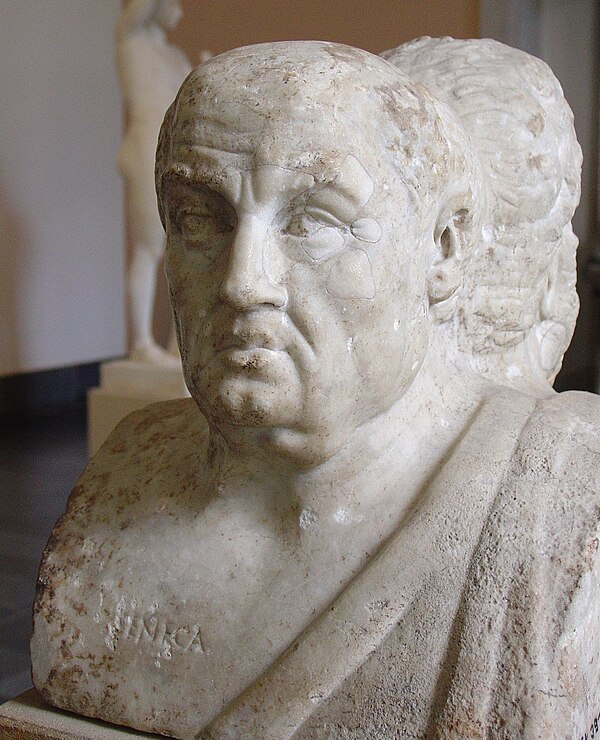
The Wisdom of Contentment: A Stoic Perspective
Seneca's assertion that "It is the wise man's part to be content and to look at his own situation rather than at others'" invites us to reflect deeply on the nature of contentment and the perils of comparison. In a world that often encourages us to measure our worth against the lives of others, this quote serves as a gentle reminder to turn our gaze inward. The stakes are high; our happiness and peace of mind hinge on our ability to cultivate an inner sense of fulfillment rather than seeking validation from external sources.
At its core, this teaching challenges the very fabric of our modern existence, where social media and cultural narratives constantly bombard us with images of success and happiness. Seneca's wisdom urges us to embrace our unique circumstances and to find satisfaction in our own journey. By fostering a mindset of contentment, we not only liberate ourselves from the shackles of envy but also open the door to a more profound understanding of our own lives and the wisdom that resides within them.
The image / the metaphor
The imagery in Seneca's quote is strikingly simple yet profoundly rich. The "wise man" embodies a figure of introspection, someone who possesses the clarity to recognize that true contentment arises from within. The verbs "to be content" and "to look" suggest a deliberate choice, an active engagement with one's own life rather than a passive consumption of others' experiences. This evokes a sense of agency, inviting us to take responsibility for our emotional and spiritual well-being.
In the speaker's tradition
Seneca's teachings are firmly rooted in the Stoic tradition, which emphasizes the importance of virtue, self-control, and rationality. Central to Stoicism is the concept of 'apatheia,' a state of being undisturbed by external circumstances, which aligns closely with the idea of contentment. This notion resonates with similar concepts found in other spiritual traditions, such as 'dharma' in Buddhism, which encourages individuals to follow their own path without being swayed by the actions or successes of others.
In his letters, Seneca often references the importance of self-reflection and the cultivation of inner peace. For instance, in his work "On the Shortness of Life," he emphasizes that time is our most precious resource and that we should not squander it by comparing ourselves to others. This echoes the sentiment of his quote, reinforcing the idea that true wisdom lies in understanding and accepting our own circumstances rather than being distracted by the lives of others.
Living the teaching
Consider a modern scenario where this teaching can be applied: imagine scrolling through social media and feeling a pang of inadequacy as you see friends celebrating milestones or showcasing their seemingly perfect lives. In that moment, Seneca's wisdom can serve as a grounding force, reminding you to pause and reflect on your own journey. Instead of succumbing to envy, you can choose to appreciate your unique experiences, recognizing that each person's path is filled with its own challenges and triumphs.
This teaching can also be particularly relevant in relationships. When conflicts arise, it is easy to fall into the trap of comparing your relationship to others, measuring its worth against external standards. By focusing on your own situation and nurturing contentment within your partnership, you can foster a deeper connection with your partner. This shift in perspective allows for a more compassionate and understanding approach, ultimately enriching the relationship and promoting mutual growth.
A reflection
As we contemplate Seneca's profound insight, we are invited to ask ourselves: "In what areas of my life am I allowing comparisons to overshadow my own contentment?" This question encourages a deep exploration of our values and priorities, prompting us to examine how often we seek validation from external sources rather than nurturing our inner sense of fulfillment. By engaging with this inquiry, we can begin to cultivate a more authentic and satisfying relationship with ourselves and our lives.