The Wealth of Letting Go: Embracing a Life of Simplicity
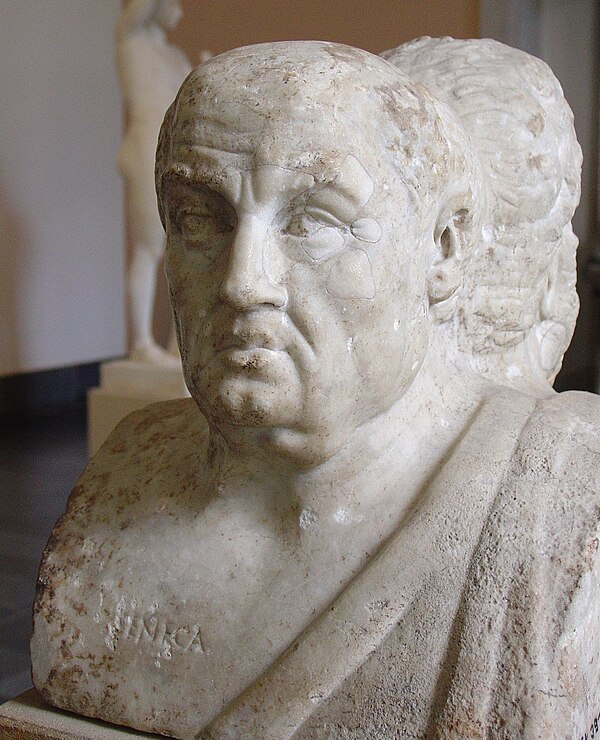
Seneca's assertion that "the greatest wealth is a poverty of desires" invites us to reconsider our relationship with longing and material accumulation. In a world that often equates success with the relentless pursuit of more—more possessions, more achievements, more validation—this quote serves as a profound reminder of the peace that can be found in simplicity. By cultivating a sense of contentment with what we have, we can unlock a deeper sense of fulfillment that transcends the superficiality of desire.
This perspective challenges the prevailing narrative that happiness is contingent upon external circumstances. Instead, Seneca encourages us to look inward, suggesting that true wealth lies not in the abundance of our possessions but in the clarity of our minds and the tranquility of our spirits. The Stoic philosophy, which emphasizes the importance of virtue and wisdom over material gain, resonates deeply with this idea, urging us to let go of our incessant cravings and embrace a more serene existence.
The image / the metaphor
The imagery in Seneca's quote evokes a striking contrast between wealth and poverty, yet it reframes these concepts in a way that defies conventional understanding. When we think of wealth, we often envision material riches, a bounty of possessions that signify success. However, Seneca's use of "poverty" here is not a lament but rather an invitation to recognize the freedom that comes from relinquishing our desires. The verb "is" suggests a state of being, indicating that this poverty is not merely an absence but a presence of something far more valuable—peace of mind.
In the speaker's tradition
Seneca's Stoicism is rooted in the belief that virtue is the highest good, and that external circumstances should not dictate our happiness. This philosophy aligns closely with concepts found in other spiritual traditions, such as the Buddhist notion of *sunyata*, or emptiness, which teaches that attachment to desires leads to suffering. Similarly, the Christian concept of *kenosis*, or self-emptying, encourages individuals to let go of their ego-driven desires to find true fulfillment in love and service. In this way, Seneca's thoughts resonate with a universal truth that transcends cultural boundaries.
In his work "Letters from a Stoic," Seneca emphasizes the importance of self-examination and the cultivation of inner virtues. He writes, "Wealth consists not in having great possessions, but in having few wants." This echoes the sentiment of his quote, reinforcing the idea that the path to true wealth lies in the mastery of our desires. By aligning our lives with virtue rather than material gain, we can cultivate a sense of peace that is both profound and enduring.
Living the teaching
Consider a modern scenario where this teaching might resonate: a person finds themselves caught in the cycle of consumerism, constantly seeking the latest gadgets or fashion trends to feel fulfilled. Each new acquisition brings a fleeting sense of joy, quickly replaced by the desire for the next item. By embracing Seneca's wisdom, this individual could begin to recognize that true contentment does not stem from external possessions but from an internal state of acceptance and gratitude. By consciously choosing to limit their desires, they might discover a newfound appreciation for the simple joys in life, such as time spent with loved ones or the beauty of nature.
In relationships, the application of this teaching can be equally transformative. Imagine a couple navigating the complexities of their partnership, each harboring unspoken desires and expectations of the other. By adopting a mindset of "poverty of desires," they can learn to let go of these expectations, fostering a deeper connection rooted in acceptance and understanding. This shift not only alleviates the pressure of unmet desires but also opens the door to a more authentic and loving relationship, where both partners can thrive in their individuality.
A reflection
As we contemplate Seneca's assertion that "the greatest wealth is a poverty of desires," we are invited to reflect on our own lives and the desires that may be holding us captive. What would it mean for you to embrace a life with fewer wants? In what areas of your life could you cultivate a sense of contentment and peace by letting go of the incessant need for more? This contemplative inquiry can serve as a guiding light, illuminating the path toward a more serene and fulfilling existence.