The Wisdom of Silence: Discovering the Self Within
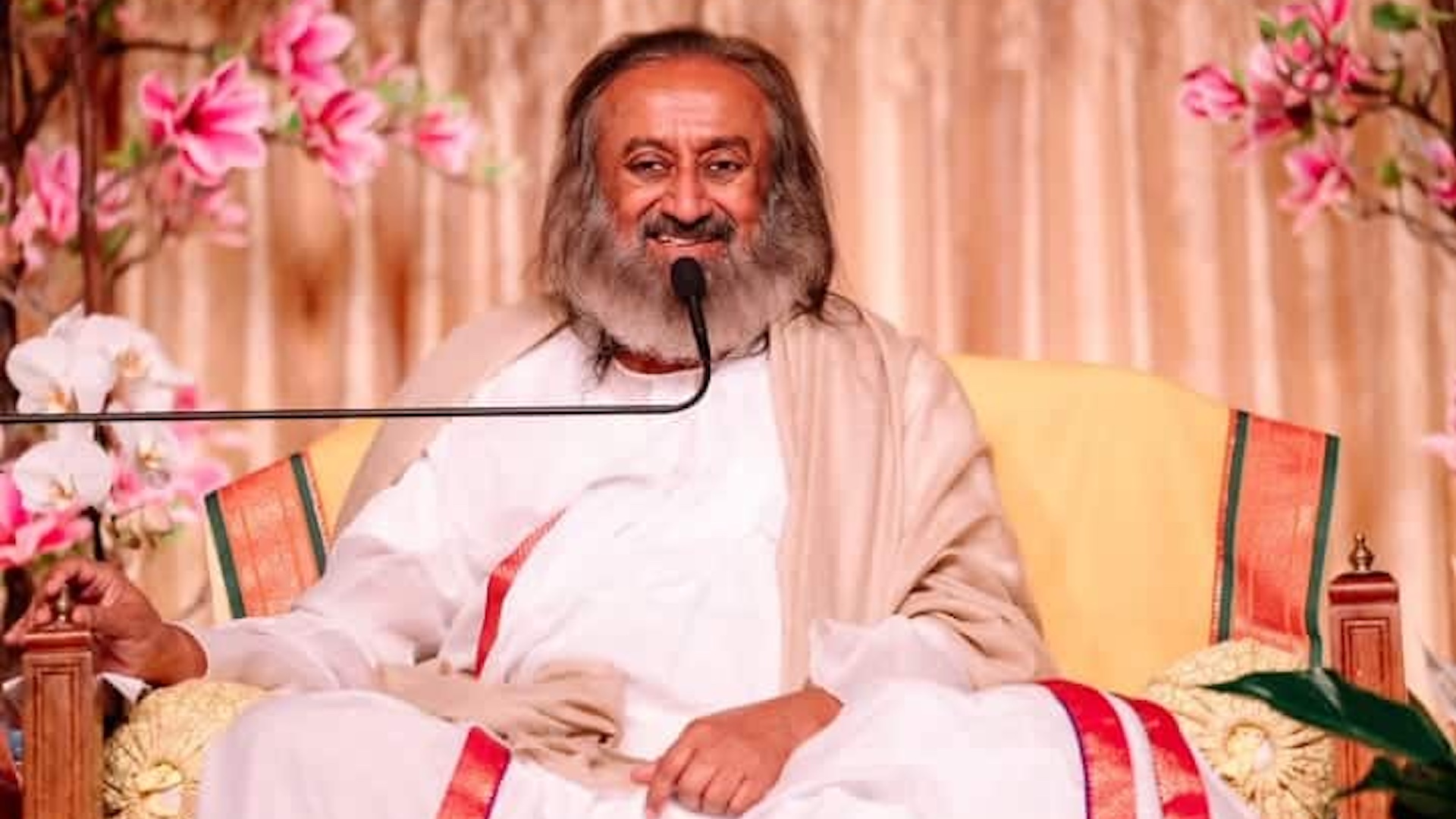
In the profound words of Sri Sri Ravi Shankar, "In silence, you hear yourself." This statement invites us to explore the transformative power of silence, suggesting that within the stillness lies the opportunity for self-discovery. In a world filled with noise and distraction, the ability to listen to our inner voice becomes not just a luxury but a necessity for authentic living. The stakes are high; without this inner dialogue, we risk losing touch with our true selves, our desires, and our purpose.
Silence is often perceived as an absence, yet it is rich with potential and meaning. It is in these quiet moments that we can peel back the layers of societal expectations and external influences, allowing our genuine thoughts and feelings to surface. This quote serves as a reminder that self-awareness is not merely a passive experience but an active engagement with our inner landscape. By embracing silence, we cultivate a deeper understanding of who we are and what we truly seek in life.
The image / the metaphor
The imagery of silence in Ravi Shankar's quote evokes a serene landscape where the cacophony of daily life fades away, leaving space for introspection. The verb "hear" implies an active process; it suggests that silence is not just the absence of sound but a medium through which we can listen to our innermost thoughts and feelings. This listening is not superficial; it requires a deep engagement with oneself, akin to tuning into a subtle frequency that often goes unnoticed amidst the clamor of existence.
Diving deeper into the metaphor, silence can be seen as a sacred space—a sanctuary for the soul. It is here that we confront our fears, desires, and aspirations without the interference of external judgments. In this quietude, we can begin to understand the complexities of our emotions and thoughts, unraveling the threads of our identity. Silence becomes a canvas upon which we can paint the true essence of our being, revealing the intricate patterns of our lives that often remain obscured.
In the speaker's tradition
Within the framework of Sri Sri Ravi Shankar's teachings, silence holds a significant place, often associated with concepts such as dharma and prajna. Dharma, the path of righteousness, encourages individuals to seek their true nature, while prajna, or wisdom, emphasizes the importance of insight gained through introspection. In this context, silence serves as a gateway to understanding our dharma, allowing us to discern our responsibilities and align our actions with our authentic selves.
Moreover, the idea of kenosis, or self-emptying, resonates deeply with the notion of silence. By letting go of our preconceived notions and external distractions, we create space for deeper insights to emerge. This aligns with the teachings found in various spiritual texts, such as the Bhagavad Gita, where the importance of inner stillness is highlighted as a means to connect with the divine. Just as Arjuna sought clarity in the silence of his inner turmoil, we too can find guidance in our moments of quiet reflection.
Living the teaching
Consider a modern scenario where the teaching of silence can be applied: imagine a busy professional navigating the demands of a high-pressure job. In the midst of deadlines and meetings, the individual feels overwhelmed and disconnected from their true purpose. By intentionally carving out moments of silence—perhaps through meditation or simply stepping away from the chaos—they can reconnect with their inner voice, gaining clarity on their goals and aspirations. This practice not only enhances productivity but also fosters a sense of fulfillment that transcends the daily grind.
In the realm of relationships, the teaching of silence can manifest in profound ways. During a conflict with a loved one, the instinct may be to fill the space with words—defenses, accusations, or justifications. However, embracing silence allows for a pause, creating an opportunity for both parties to reflect on their feelings and perspectives. This intentional stillness can lead to deeper understanding and empathy, transforming the interaction from a potential confrontation into a moment of connection and healing.
A reflection
As we contemplate the essence of Sri Sri Ravi Shankar's quote, we are invited to consider our own relationship with silence. How often do we allow ourselves the gift of quietude in our daily lives? In what ways can we create space for introspection and self-discovery amidst the noise of our surroundings? Reflecting on these questions can guide us toward a more authentic existence, where we not only hear ourselves but also embrace the wisdom that arises from within.